 Skip to content


King Tut (1341-23 BC)
Alien Dagger?
Before I tell you about King Tut and his peculiar dagger, I want to introduce his father and grandfather. Before you read this, ask yourself, are aliens and the ancient gods one and the same or not?
Amenhotep III
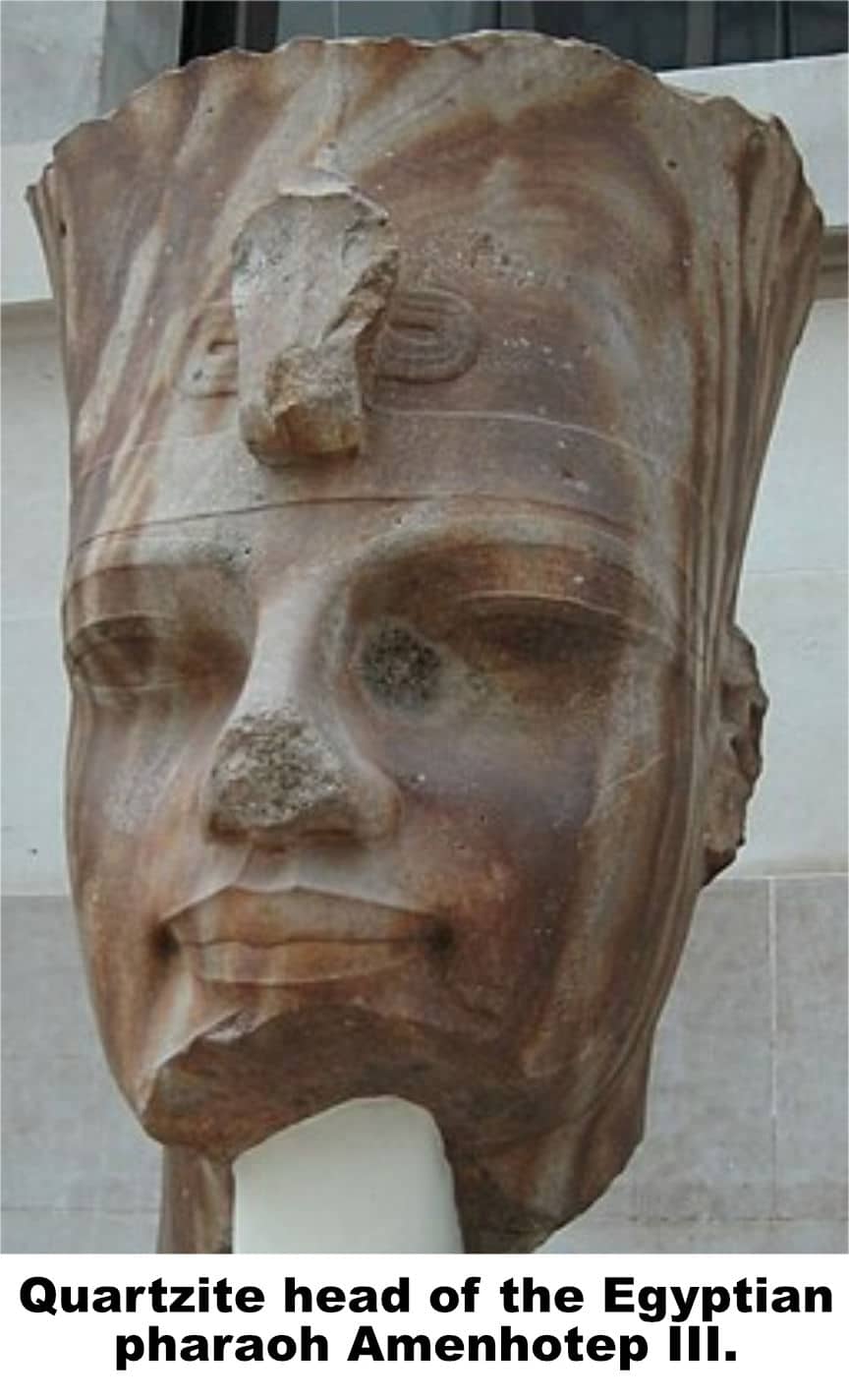 King Tut’s grandfather, Amenhotep III, also known as Amenhotep the Magnificent and Amenhotep the Great (1400-1353 BC), is considered by historians as one of the top 10 most powerful pharaohs that ever lived. He became Pharaoh at or around the age of twelve. He’s mostly famous for the construction of the Temple of Luxor in Thebes.
Amenhotep’s biological father was Thutmose IV. Yet, he said that Amun, god of the air, was his true father. That Amun had transformed himself and became Thutmose or Amun possessed Thutmose, whatever Amenhotep’s thought is unknown. Sort of like Alexander the Great saying Zeus was his father, which we’ll talk about in a different post.
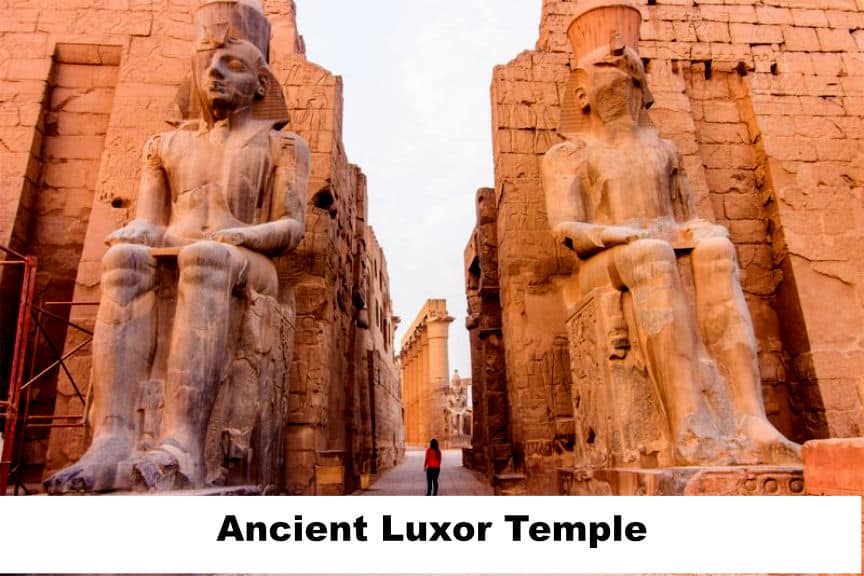 Amenhotep III worshipped many gods, but mainly Amun, and also Ra. Ra was the god of the sun, heaven, power, and light and the god of all gods. Like Zeus was in Greek mythology.
When Amenhotep III died, Egypt was powerful and influential but remained tied to its traditional politics and religious beliefs under the Amun priesthood.
Akhenaten “The Heretic” (reign 1351-1334 BC)
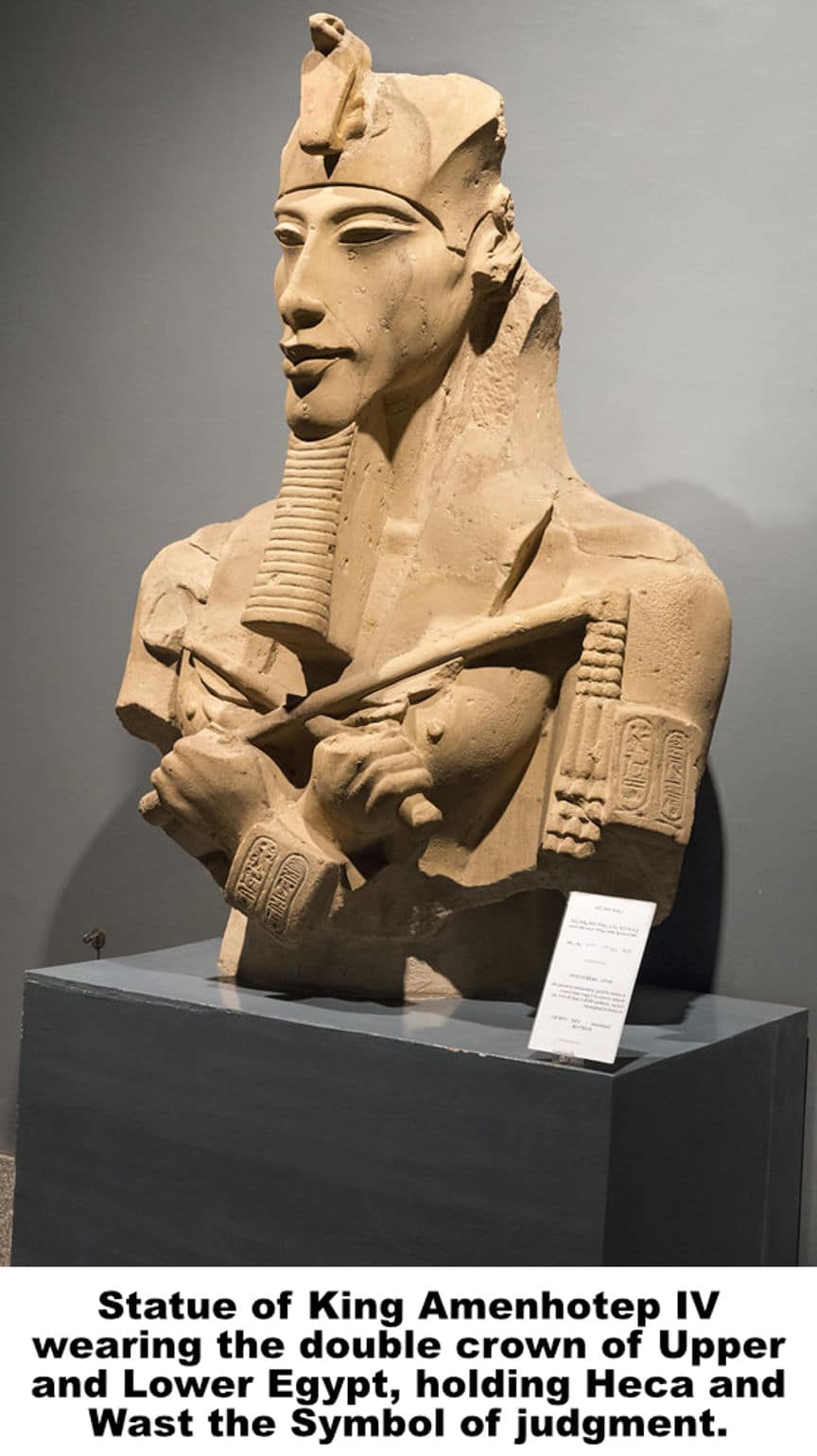 When Amenhotep III died and King Tut’s dad took his place things drastically changed.
King Tut’s dad, Amenhotep IV, was an arrogant maniac and abhorred the priesthood. His parents named him Amenhotep IV, but five years into his reign he changed it to Akhenaten, meaning “Effective for the Aten” and “The one who is of service to Aten.”
He only worshiped Aten, the sun god, and demanded that everyone in Egypt do the same or die. He was so devoted to Aten that he named his son Tutankhaten, having the last two symbols in respect to the sun god.
The people of Egypt followed his orders on worshipping only Aten, but they did it reluctantly. Worshipping a monolithic god went against their belief in the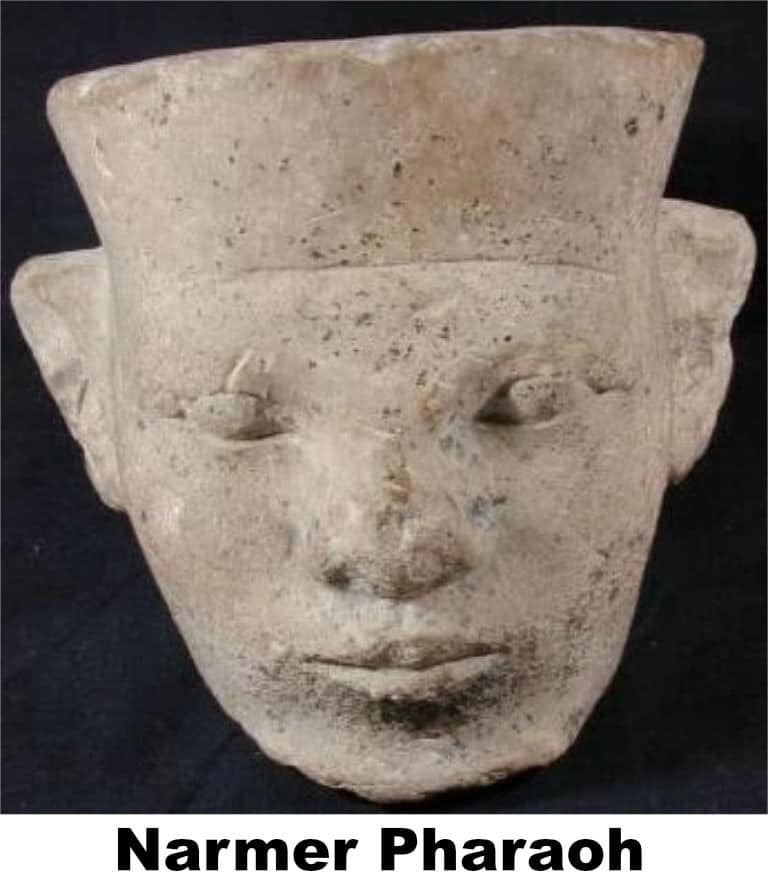 afterlife.
Amenhotep IV positioned himself as the go-between of Aten and the Egyptians. Therefore, the priesthood was no longer necessary. He established himself as a god-king. Some say that he was the first king to be called Pharaoh, but other historians say the first Pharaoh was Narmer during the First Dynasty (3273-2987 BC).
Amenhotep IV was never meant to be a ruler he became Pharaoh only because his older brother mysteriously died. He almost bankrupted Egypt due to his beliefs and religious policies.
Because of the type of person Amenhotep IV was it is surprising that he was married to Nefertiti. Who was one of the most powerful women in antiquity, being equal to Cleopatra VII and Hatshepsut.
Tutankhaten/Tutankhamun/King Tut
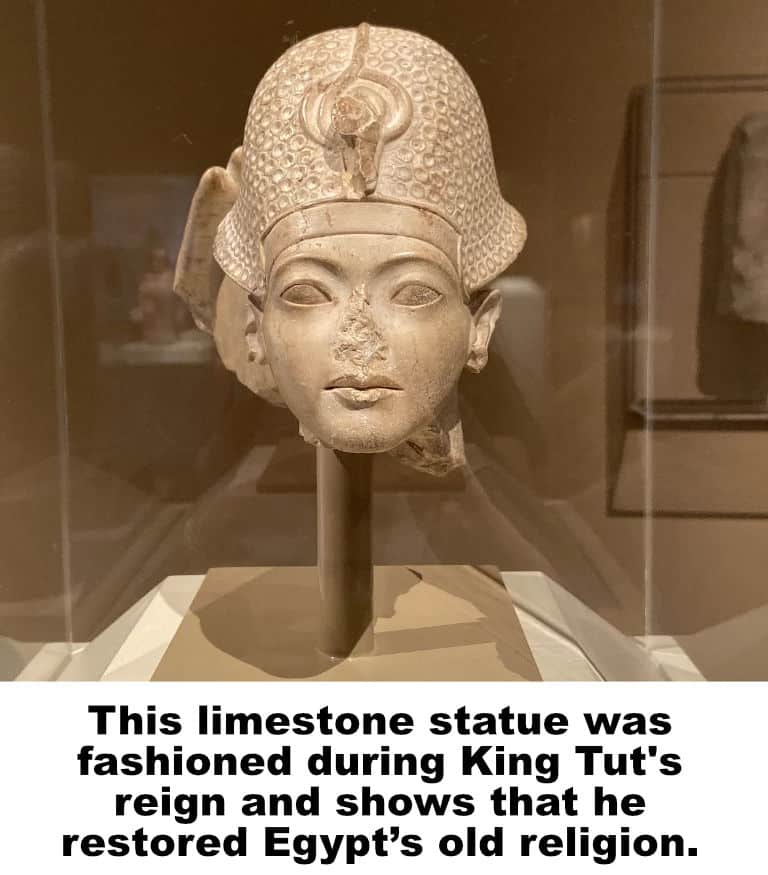 King Tut became Pharaoh at the age of nine. He didn’t appreciate having his name connected to a god whom he did not worship, so after his dad’s death he changed his name to Tutankhamun. He, like his grandfather, worshipped Amun and allowed everyone to worship whoever they chose.
Ancient Egyptians believed in an afterlife that resembled their living world. It was believed that the deceased needed certain things to survive, such as clothes, food, beds, chariots, headrests, and games along with ceremonial possessions like thrones, statues, and jewelry.
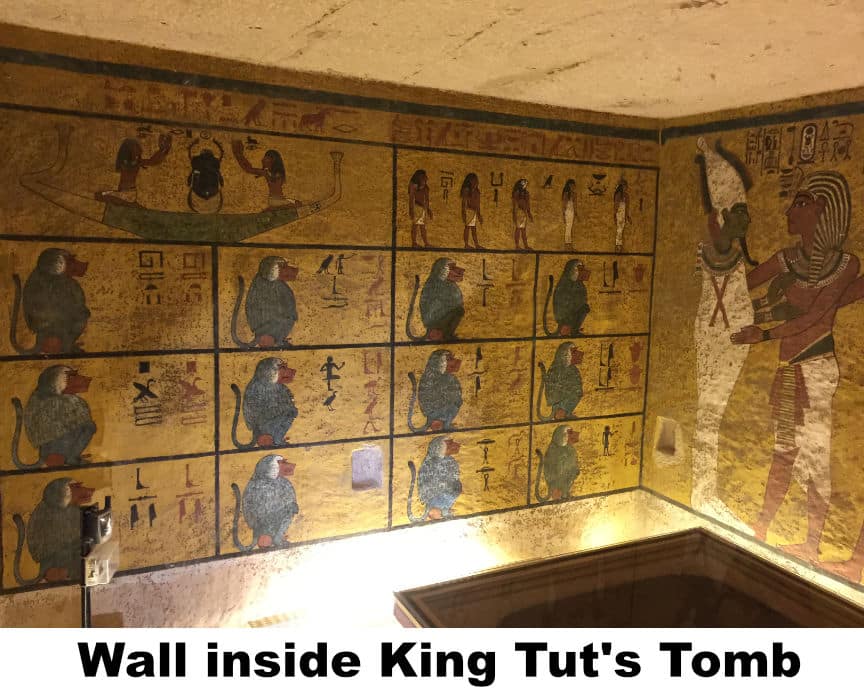 Also included were supposedly “magical” objects like shabtis, which were small human statues believed to serve the ruler in the afterlife. Scenes were also painted or carved on the walls inside the tomb.
According to the archaeologists, Howard Carter and Lord Carnarvon, the tomb contained four rooms, the antechamber, burial chamber, annex, and treasury. The antechamber alone had over 600 items, which included three golden funeral beds and pieces of four different golden chariots.
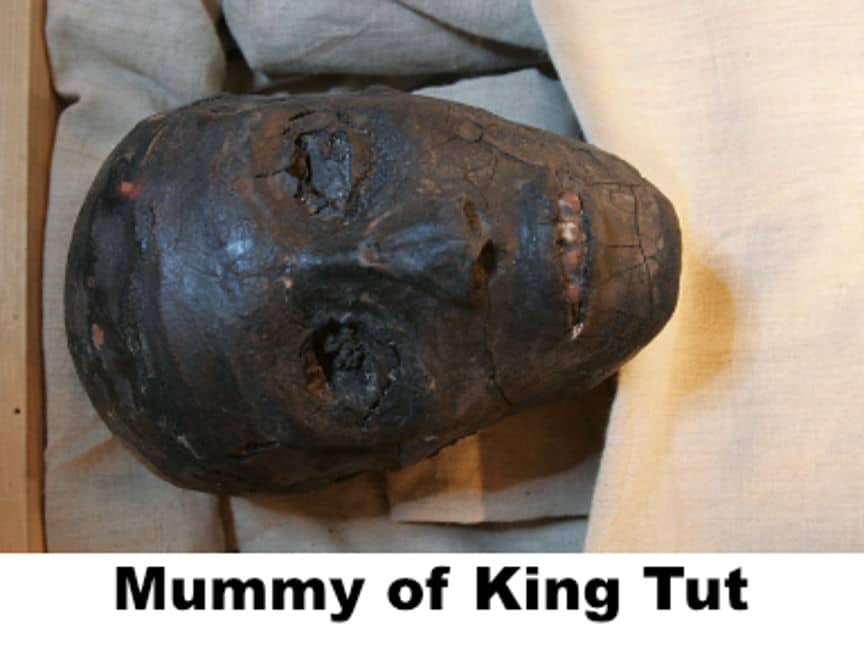 The burial chamber contained three other shrines, a stone sarcophagus, three golden coffins, and the 3,300-year-old mummy of the Boy Pharaoh King Tut. It was taken out of its sarcophagus and displayed to the public for the first time in a climatized glass case in the Valley of the Kings near Luxor, Egypt, November 4, 2007.
Dagger
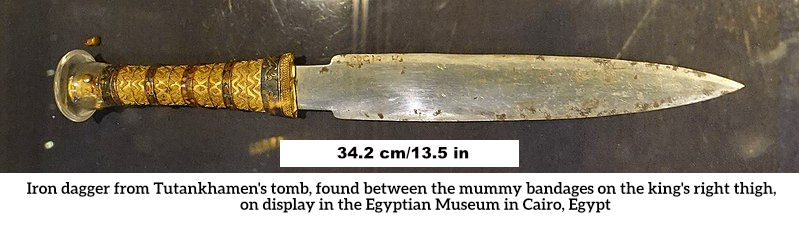 One piece found within the hundreds or thousands of things found in King Tut’s tomb is a dagger, but not one you could purchase at the store or create.
The researchers used state-of-the-art X-ray fluorescence spectrometry to analyze the composition of the blade of Tut’s dagger. The conclusion of their studies is that it is iron made from meteorite metal, so they are calling it “extraterrestrial metal.”
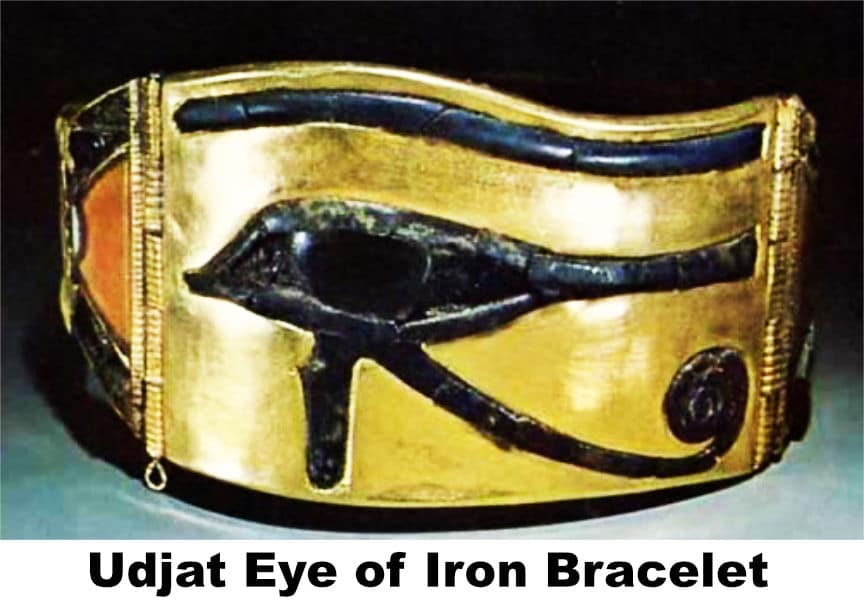 You could say that someone picked up a piece of the meteorite and formed it into a dagger and that would make sense. Yet, as noted, it was formed into iron. King Tut lived in the 14th century B.C. and the Iron Age didn’t begin until around 1200 B.C.
Aside from that, an Austrian astrochemist revealed in 2006 that the glass attached to a jewel, Udjat Eye of Iron,” that was also recovered in Tutankhamun’s tomb, was most likely produced by the heat caused by a meteorite impacting the Earth.
About King Tut
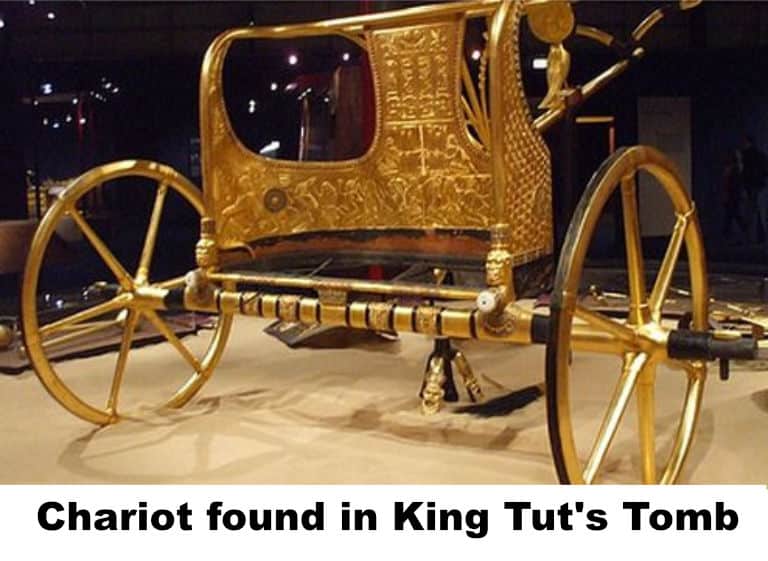 You may hear that King Tut was a powerful pharaoh, but he wasn’t. He is probably the most famous, but powerful he was not. He died at the age of 19 which is believed to be caused by a chariot crash, but there is no evidence of this.
Technology today can do many things. Through a “virtual autopsy” and 3-D modeling of his remains it appears that King Tut had an overbite, a skewed hip, a club foot, and was ugly (how they can assume his facial features is debatable).
Nefertiti
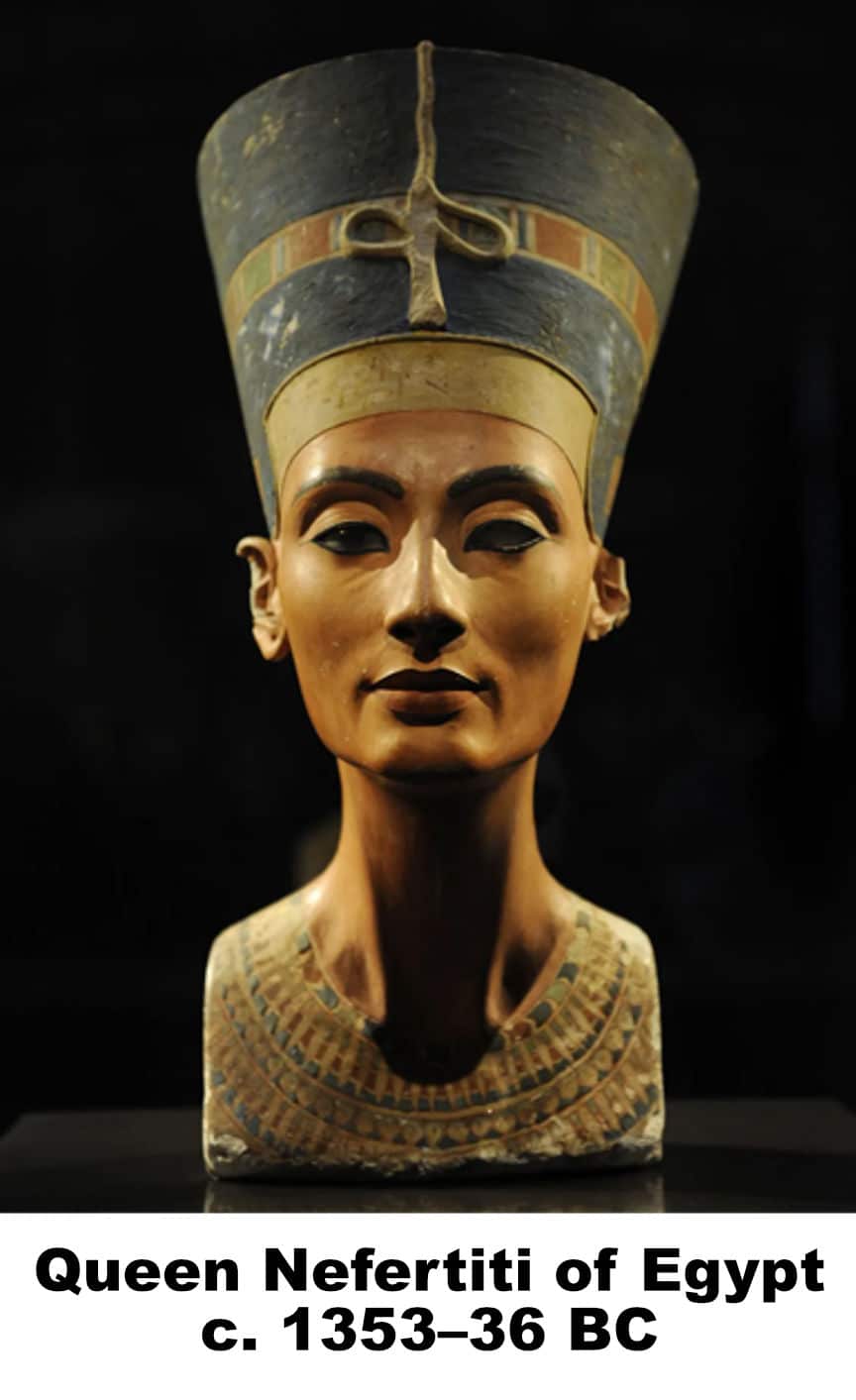 Nefertiti was King Tut’s step-mother, but he married his half-sister so she was also his mother-in-law.
Her name means “a beautiful woman has come” and according to the legends she lived up to that name. She was not only beautiful, she was also commanding, brace and powerful.
Her dead body was never found, but some think she was buried somewhere in King Tut’s tomb.
And on another note:
Crossing of the Red Sea – Moses, Nefertiti, and the Pharaohs
I never watched the movie, “The Ten Commandments” with Yul Brynner and Charlton Heston, but I’ve researched it and all I can say is “It’s Hollywood,” nothing else.
